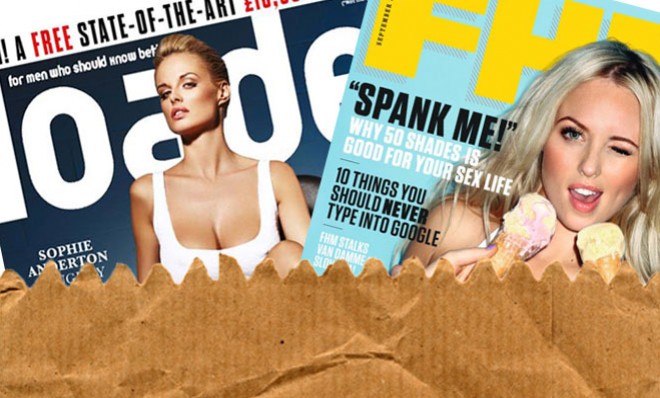
It’s me, Reede Fox – and if you were around in the late 90s or early 2000s, you’ll remember exactly where the glamour world lived. Right there on the shelves of your local newsagent – The Lads mags.
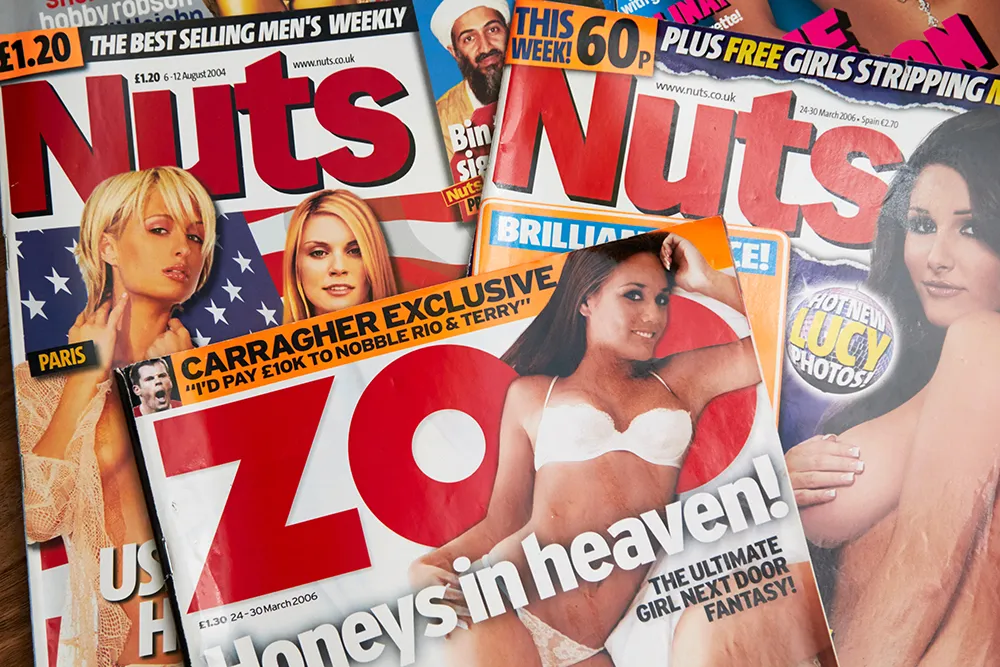
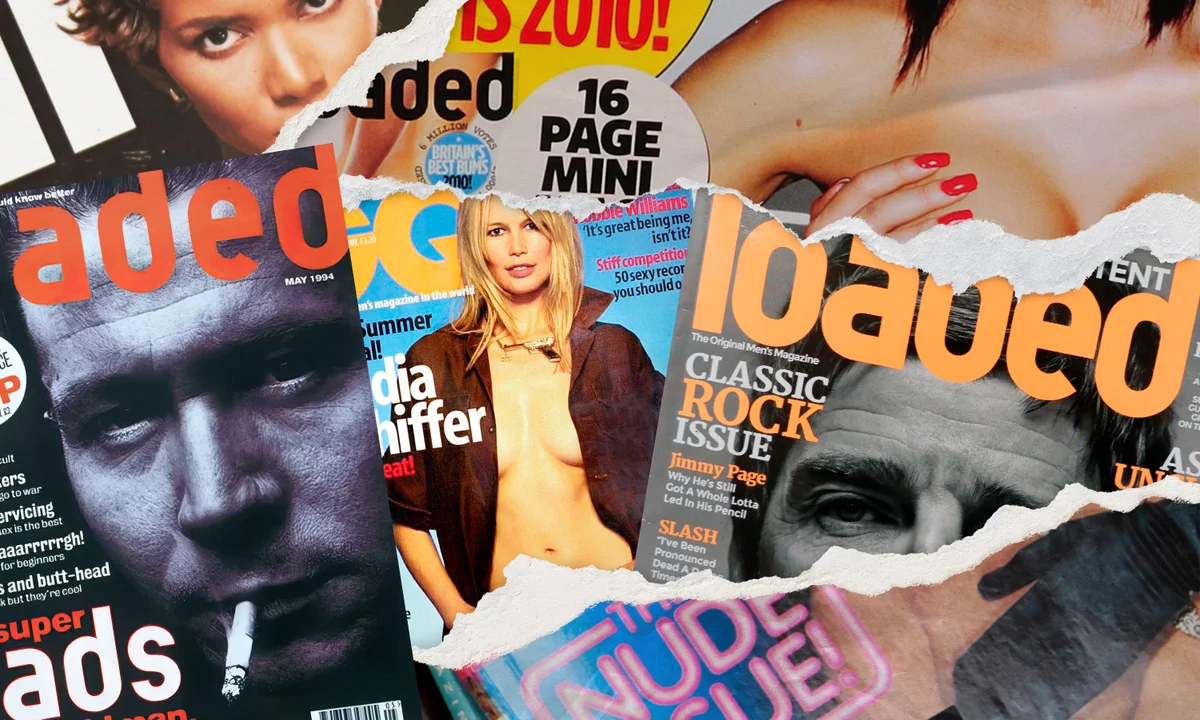
Magazines like Loaded, FHM, Nuts and Zoo basically ran the show. Glossy covers, big personalities, and a steady stream of British babes coming through. If you were a model back then, landing a feature in one of those wasn’t just nice – it was the goal. That was your moment. Your “right, people know who I am now” moment.
But like everything else, that whole world didn’t last forever. Things shifted. Quietly at first, then all at once.
When the Lads’ Mag Era Started to Slip
At their peak, the Lads mags were everywhere. FHM was selling hundreds of thousands of copies. Competitions like High Street Honeys were pulling in loads of hopefuls. And shoots in Loaded or Zoo could properly kickstart a career.
It wasn’t just about the photos either, it was the exposure, the recognition, the whole “being part of something big” feeling. But then the internet did what the internet does. People stopped buying magazines. Ads moved online. Attention spans got shorter. And one by one, those titles started disappearing.
Not with a bang either – more like a slow fade where you suddenly realise they’re just… not there anymore. And for a lot of glamour models at the time, it left a bit of a gap. Because if the lads mags were gone… where do you go next?
Enter Late-Night TV
Around the same time all that was happening, something else had already started bubbling away – late-night interactive TV, specifically Babestation. Shows like Babestation had been around since the early 2000s, but as the magazine world dipped, they suddenly became a lot more relevant. Because unlike print, this was live.
You weren’t just looking at a photo of a girl with big boobs, you were watching someone in real time. Talking, reacting, having a bit of personality about them. And more importantly, viewers could actually get involved.
Phone calls, texts, regulars tuning in for specific girls – it created a completely different kind of connection. For models, it wasn’t just about how you looked anymore. It was about how you came across.
A Different Kind of Performance
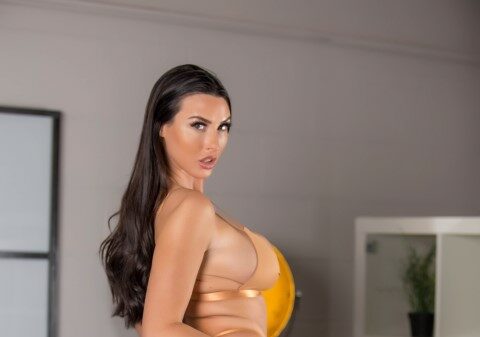
This is the bit people sometimes don’t fully clock. Babeshows weren’t just “modelling on TV”. It was closer to live presenting. You’re filling time. You’re keeping people engaged. You’re reacting on the spot. You’re dealing with whatever comes through that phone line. No editing. No picking the best photo. No hiding behind angles.
It’s you, live, holding attention. And not everyone could do that. But the ones who could? They built proper followings.
The Girls People Actually Tuned In For
As the shows found their rhythm, certain presenters became properly associated with that late-night slot. You had Preeti and Priya – The IdenticalTwins, who brought that playful, confident energy that just worked on live TV. Bit cheeky, bit chaotic, and very watchable.
Then there’s Georgie Darby, who’s been one of those familiar faces people instantly recognise if they’ve ever flicked through the channels late at night. More laid-back, very natural on screen, and the kind of presenter viewers would come back for specifically. And that’s the key difference.
People weren’t just watching “a show” anymore – they were watching specific girls.
From Photos to Personality
This is where the real shift happened. In the lads’ mag era, it was all about the shoot. Get the right pictures, land the right feature, and that did most of the work for you.
But on Babestation? Personality mattered just as much as appearance. Probably more, if I’m being honest. Because if someone’s tuning in night after night, it’s not just about what you look like, it’s about whether they actually enjoy watching you.
That change turned glamour modelling into something a bit more layered. Less static. More interactive. More… human, really.
A Proper Turning Point
Looking back now, that shift from print to live TV was a bigger deal than people probably realised at the time. It wasn’t just a change of platform, it changed what being a “glamour model” even meant. You weren’t just posing anymore. You were performing. Engaging on nude cams. Building an audience in real time. And for a lot of girls, it kept their careers going when the magazine world started disappearing underneath them.
And Now? It’s Shifted Again
Of course, it didn’t stop there. Now everything’s moved again – social media, subscription platforms, creators running their own thing without needing a magazine or a TV channel at all. Total control. Direct audience. No middleman.
But that jump – from lads’ mags to live TV, was the first big turning point. The moment the industry stopped being about pages… and started being about people.
Final Thought
If you remember walking into a shop and seeing FHM or Nuts stacked on the shelves, that was one era. If you remember flicking onto Babestation after 11pm and recognising the presenters, that was the next one. Different format. Different vibe. Same idea underneath it all. It’s always been about the personalities. And it still is.
Explore the hottest cam girls featured on Babestation.