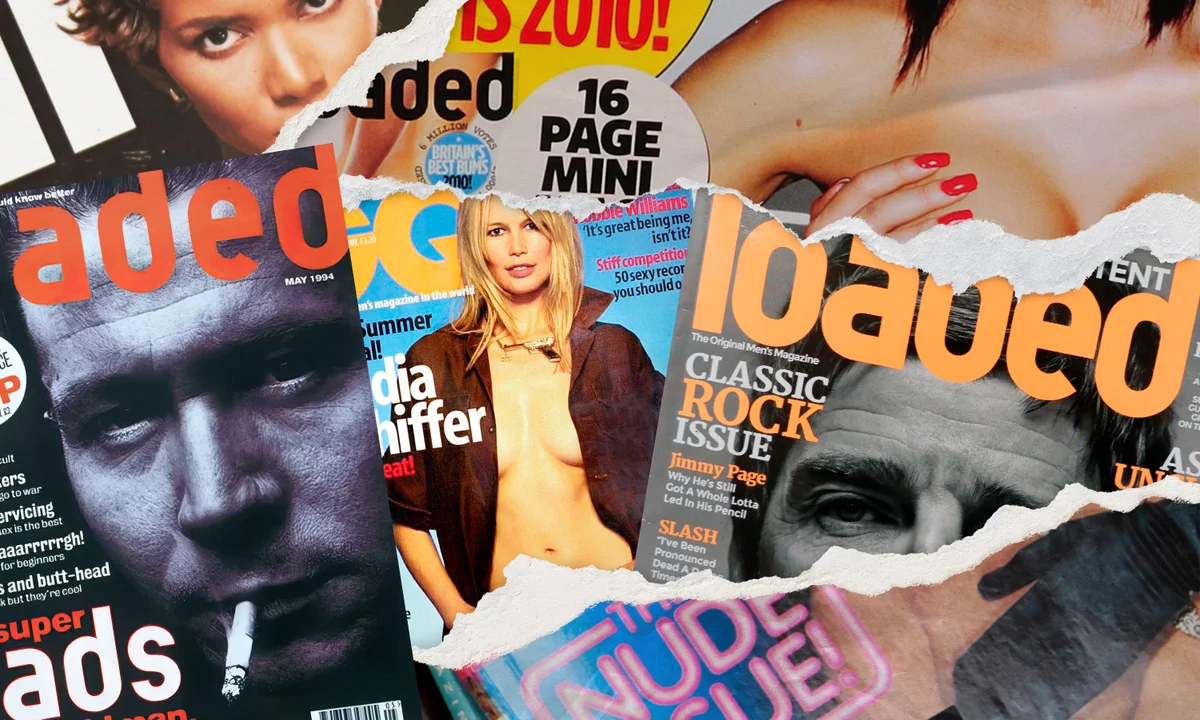
Hey sugar, it’s your friendly neighbourhood fox – Reede Fox, and today, I’ll be delving into life before Onlyfans. When people talk about glamour modelling or adult content creation, one platform tends to dominate the conversation: OnlyFans.
It’s become the modern symbol of creator-led content, a place where models and performers can connect directly with their audiences and build their own businesses online. But long before subscription platforms and social media audiences, there was another world that played a huge role in launching glamour careers – The era of the lads’ magazines. Lads mags walked so that OnlyFans could run.
When the Newsagent Was the Discovery Page
During the 1990s and early 2000s, magazines like Loaded, FHM, Nuts and Zoo were some of the most influential publications in British media.
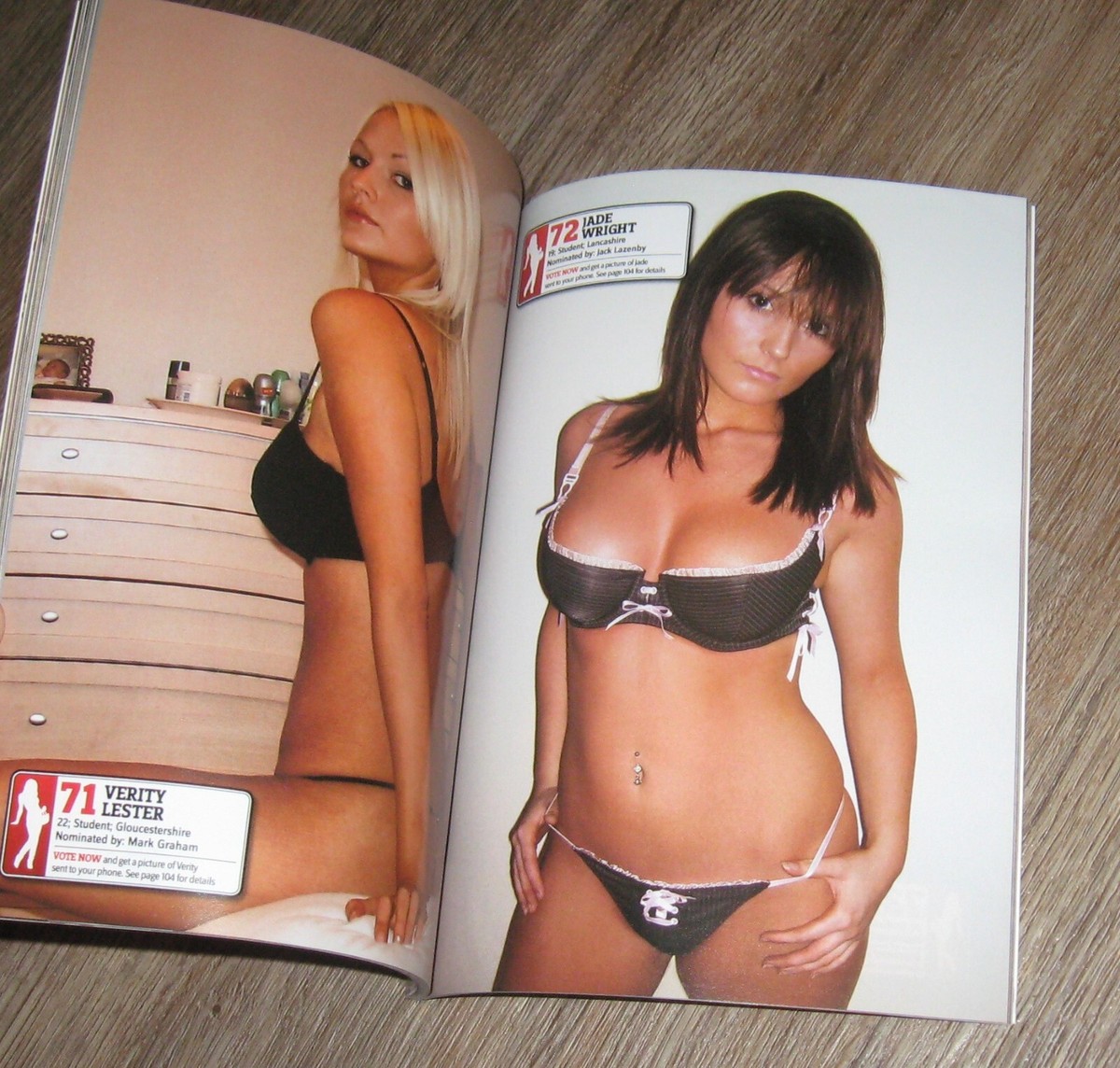
These titles didn’t just feature celebrities – they helped create them. Glamour models appearing in their pages could suddenly find themselves recognised across the country. Competitions such as FHM’s High Street Honeys became famous for discovering new talent (I think I still have a copy somewhere of my appearance in FHM) while regular photoshoots introduced readers to a rotating cast of glamour personalities. For many young models, appearing in one of these magazines was the equivalent of going viral today.
The difference was that instead of scrolling through a feed on a phone, fans discovered their favourite girls on the shelves of their local newsagent.
The Golden Era of Glamour Magazines
At their peak, the lads’ magazines were huge. Titles like FHM regularly sold hundreds of thousands of copies per issue. Posters from the magazines decorated student bedrooms and shared houses across the country, and the models featured inside quickly became some of the most recognisable faces in British pop culture. Many of the glamour personalities who later appeared on television and online platforms first built their following through these magazines.

Models such as Hannah Claydon, for example, appeared in titles like Loaded, FHM, Maxim, Nuts and Zoo before later becoming a familiar face on Babestation. In many ways, the magazines acted as the launchpad for the glamour careers that followed.
When the Industry Began to Change
By the early 2010s, however, the media landscape was shifting. Print magazines began to struggle as audiences increasingly moved online. Advertising revenue followed the internet, and one by one many of the famous lads’ magazines disappeared from the shelves. But the glamour industry didn’t disappear with them.
Instead, it adapted. Live television platforms such as Babestation began offering a new stage where models could connect directly with viewers. The rise of webcams and online streaming made interaction possible in a way that magazines never could. And eventually, the next phase of the industry arrived – creator platforms like OnlyFans.
The Evolution of Glamour Platforms
Looking back, the progression of the glamour industry tells an interesting story about how media itself has evolved. What began with newspaper features and magazine spreads gradually moved toward interactive platforms and creator-led content.
The journey looks something like this:
Page 3 newspapers
↓
Lads’ magazines (Loaded, FHM, Nuts, Zoo)
↓
Live TV platforms like Babestation
↓
Online cam platforms
↓
Creator platforms such as OnlyFans
Each stage brought models closer to their audiences. What once required an editor, a photographer and a magazine publisher can now be done directly by the creators themselves.

Different Platforms, Same Fascination
Although the technology has changed dramatically, the basic appeal of glamour modelling hasn’t really disappeared. Fans have always been interested in the personalities behind the images, whether they first discovered them in a newspaper, a magazine, a late-night television show or a live cam stream. The platforms may evolve, but the fascination remains. And for anyone who remembers the days when Loaded and FHM dominated the magazine racks, the era of the lads’ mags represents an important chapter in the story that eventually led to today’s creator-driven platforms.
Before OnlyFans, there were the lads’ mags – and for a generation of glamour fans, that’s where it all began.
The industry has changed, but the connection between creator and fan is stronger than ever. If you want to experience the modern era of glamour firsthand, you can follow the journey and see what today’s creator platforms look like from the inside.