For decades, British glamour modelling followed a fairly predictable path – A new model would pop up in local shoots or competitions and if things went well, the lads’ magazines might slide into her dm’s for a piece of the action. For a lucky few, a feature on Page 3 was a truly momentous occasion. Having your baps out in The Sun or The Daily Sport was somewhat of a right of passage for any up and coming glamour model back in the day.
Back then, a spread in national newspapers could suddenly make a model into a household name. But as the media world began to change in the 2000s, that traditional route started to evolve. Magazine sales declined, newspapers changed direction, and audiences increasingly moved online. At the same time, another platform was rising in popularity – late-night babe channels.
That’s where Babestation entered the picture.
The Page 3 Era
For much of the late twentieth century and early 2000s, Page 3 was one of the most recognisable parts of British tabloid culture. Appearing in newspapers such as The Sun and the Daily Star, the feature introduced readers to a rotating cast of glamour models (mostly with big boobs) who quickly became familiar names across the country. For aspiring models, Page 3 exposure could lead to magazine shoots, television appearances and wider media opportunities. Many of the glamour models who appeared there went on to build substantial careers in entertainment, television, modelling and VIP cams.
It was, in many ways, the centre of the British glamour industry. But by the late 2000s the media landscape was changing.
The Lads’ Mag Boom
Alongside the newspapers, the 1990s and early 2000s saw the rise of the famous lads’ magazines, such as Loaded, FHM, Nuts and Zoo.
These publications became the defining magazines of the era, showcasing glamour models, celebrity features and lifestyle content aimed at a young male audience. Many Page 3 models also appeared regularly in these lads mags, creating a close link between the two worlds.
For a while the system worked flawlessly. New models could be discovered through competitions such as FHM’s High Street Honeys, appear in magazine shoots and build a following among readers across the country. But by the early 2010s the internet was beginning to reshape everything.
The Rise of Late-Night Adult TV
As print magazines began to fade, television and online nude cams platforms stepped in to fill the gap. Late-night channels dedicated to live adult entertainment became an important new stage for glamour models, allowing viewers to interact directly with presenters for the first time. Babestation quickly became one of the most recognisable names in this space.
Unlike magazine shoots, the live format meant viewers could connect with presenters in real time. Personality became just as important as appearance, and many models developed loyal audiences who followed their shows night after night. For some glamour models from the Page 3 and lads’ mag era, Babestation became the natural next step in their careers.
Models Who Bridged Both Worlds
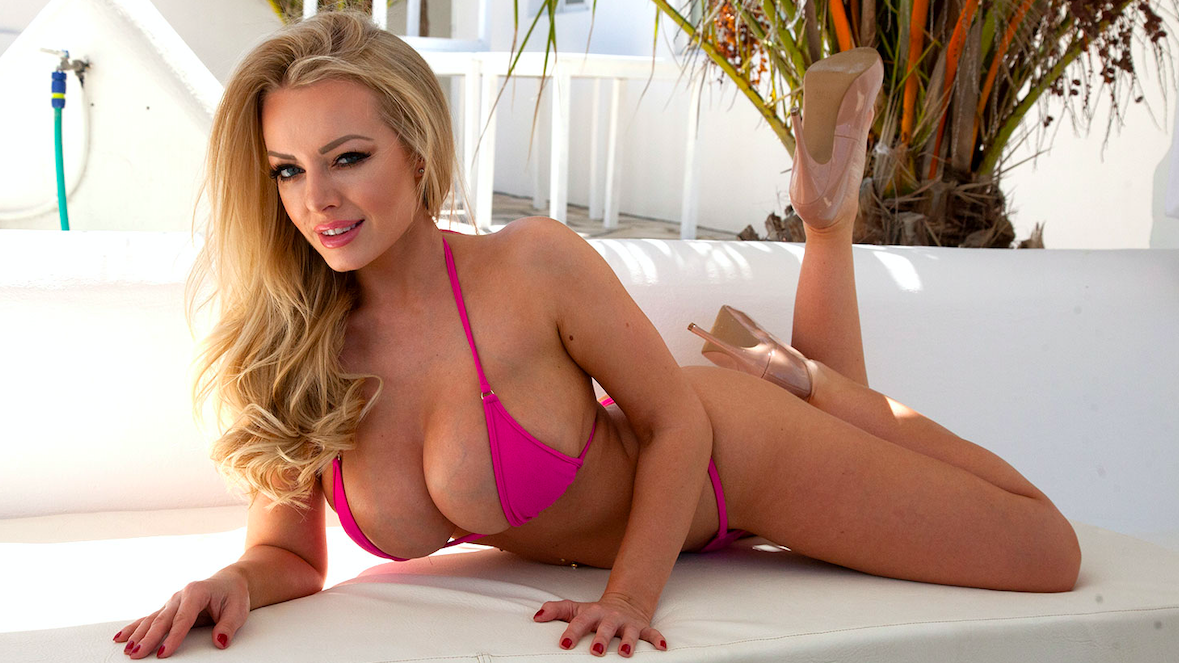
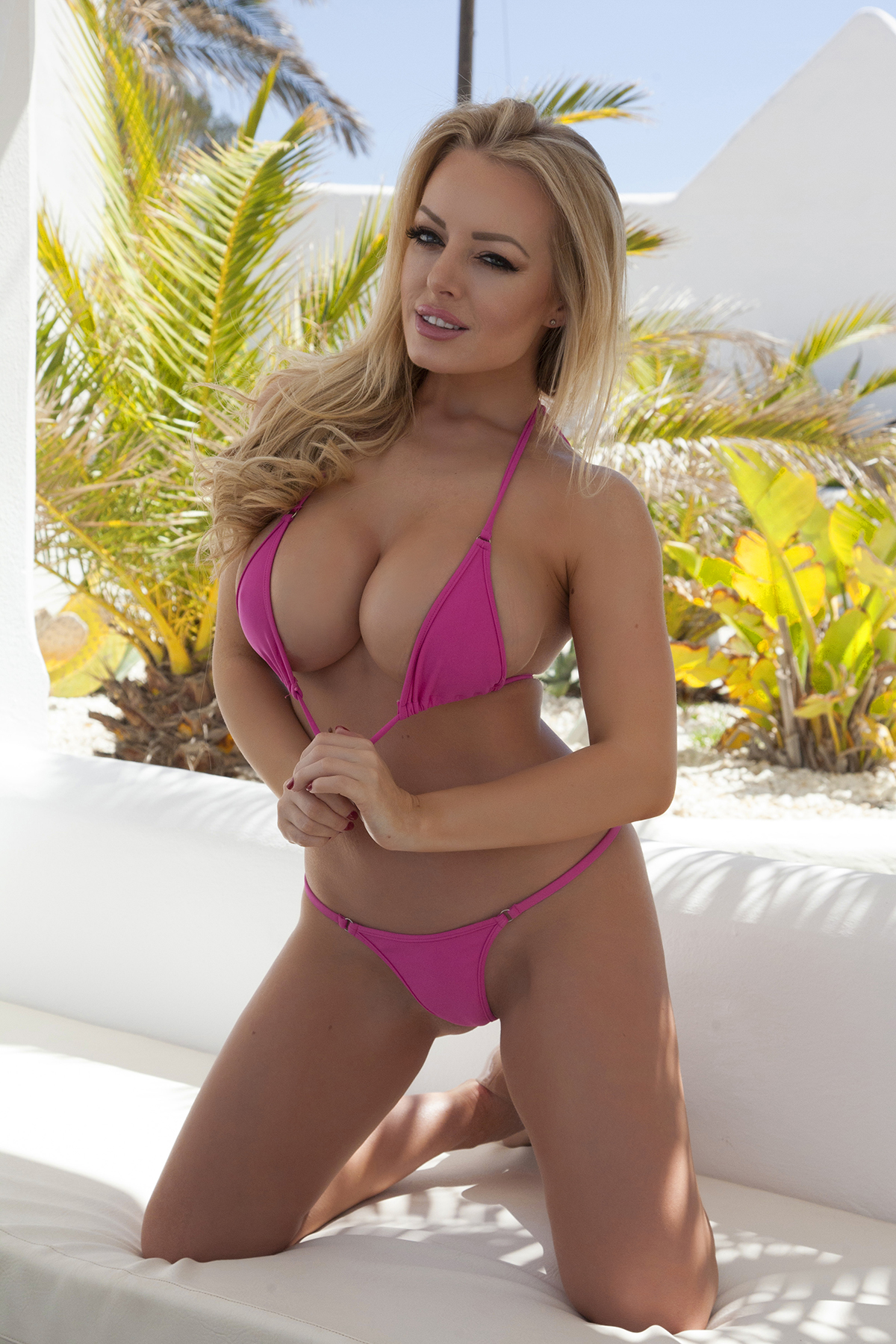
Several well-known glamour models moved between the two eras, appearing in traditional print media before becoming familiar faces on Babestation. One example is Hannah Claydon, who first gained attention through modelling competitions and lads’ magazines before becoming a long-running presenter on Babestation. Like many models of her generation, she experienced the shift from print media to television and online platforms firsthand.

Others from the broader glamour modelling scene followed similar paths, bringing the personality and confidence they had developed in magazine shoots to the live television environment. For viewers, it created a sense of continuity between the glamour world of the 2000s and the interactive shows that followed.
A Changing Industry
The glamour modelling industry has continued to evolve in the years since. Where Page 3 once introduced models to a national audience, today social media and digital platforms like OnlyFans allow performers to build their own communities directly. The traditional route through newspapers and magazines has largely disappeared. Yet the influence of that earlier era is still visible.
The personalities who first gained attention in the Page 3 and lads’ magazine years helped shape the transition into live television, and in many ways Babestation became the bridge between those two worlds. For fans who remember the days when Page 3 dominated the tabloids and lads’ mags filled the shelves of newsagents, the rise of Babestation marked the next chapter in that story.
Different platform, different era – but the same enduring fascination with the personalities at the centre of Britain’s glamour industry. And for many of the women who helped shape it, the story is still being written.